Industrial facilities — factories, warehouses, production plants, and logistics hubs — face a unique set of pest management challenges. The combination of stored goods, food residue, structural complexity, and heavy foot traffic creates ideal conditions for pests to thrive. A single infestation can lead to product contamination, equipment damage, regulatory fines, and reputational harm.
Unlike residential pest control, industrial pest management requires a strategic, audit-ready approach tailored to the facility's operations, compliance obligations, and risk profile.
Why Industrial Facilities Are Vulnerable to Pests
Industrial environments provide pests with three essentials: food, water, and shelter. Several factors increase vulnerability:
- Stored Products: Raw materials, packaging, and finished goods serve as food sources for rodents, insects, and stored product pests.
- Structural Complexity: Large facilities with multiple entry points, loading docks, pipe penetrations, and utility conduits offer easy pest access.
- Temperature Stability: Heated or climate-controlled environments allow pests to breed year-round, even during UAE winters.
- Water Sources: Cooling towers, drainage systems, leaky pipes, and wash-down areas attract cockroaches, flies, and rodents.
- High Traffic: Frequent deliveries, employee movement, and waste handling create constant opportunities for pests to hitchhike in.
Common Pests in Industrial Settings
Different facility types attract different pest species. The most common industrial pests in the UAE include:
Rodents (Rats & Mice)
Rodents cause structural damage by gnawing through wiring, insulation, and packaging. They contaminate products with droppings, urine, and hair, and pose serious health risks. Rats alone can transmit over 35 diseases, including leptospirosis and salmonella.
Stored Product Insects
Beetles, weevils, moths, and psocids infest stored grains, spices, dried foods, and packaged goods. They can penetrate sealed packaging and multiply rapidly within stored inventory, leading to costly product write-offs.
Cockroaches
Cockroaches thrive in warm, humid environments like boiler rooms, kitchens, and drainage areas. They carry pathogens including E. coli and Salmonella, and their droppings can trigger asthma and allergies in workers.
Ants
Pharaoh ants, carpenter ants, and sugar ants are common in industrial kitchens, break rooms, and food storage areas. Some species nest inside walls and equipment, making them difficult to eliminate.
Flies
House flies, drain flies, and fruit flies breed in organic waste, drains, and spillage areas. They are mechanical vectors of disease and can quickly escalate into large populations if breeding sites are not managed.
Building an Industrial Pest Management Program
An effective industrial pest management program follows the Integrated Pest Management (IPM) approach — a systematic, prevention-first strategy that minimizes chemical use while maximizing long-term control.
Step 1: Risk Assessment & Facility Audit
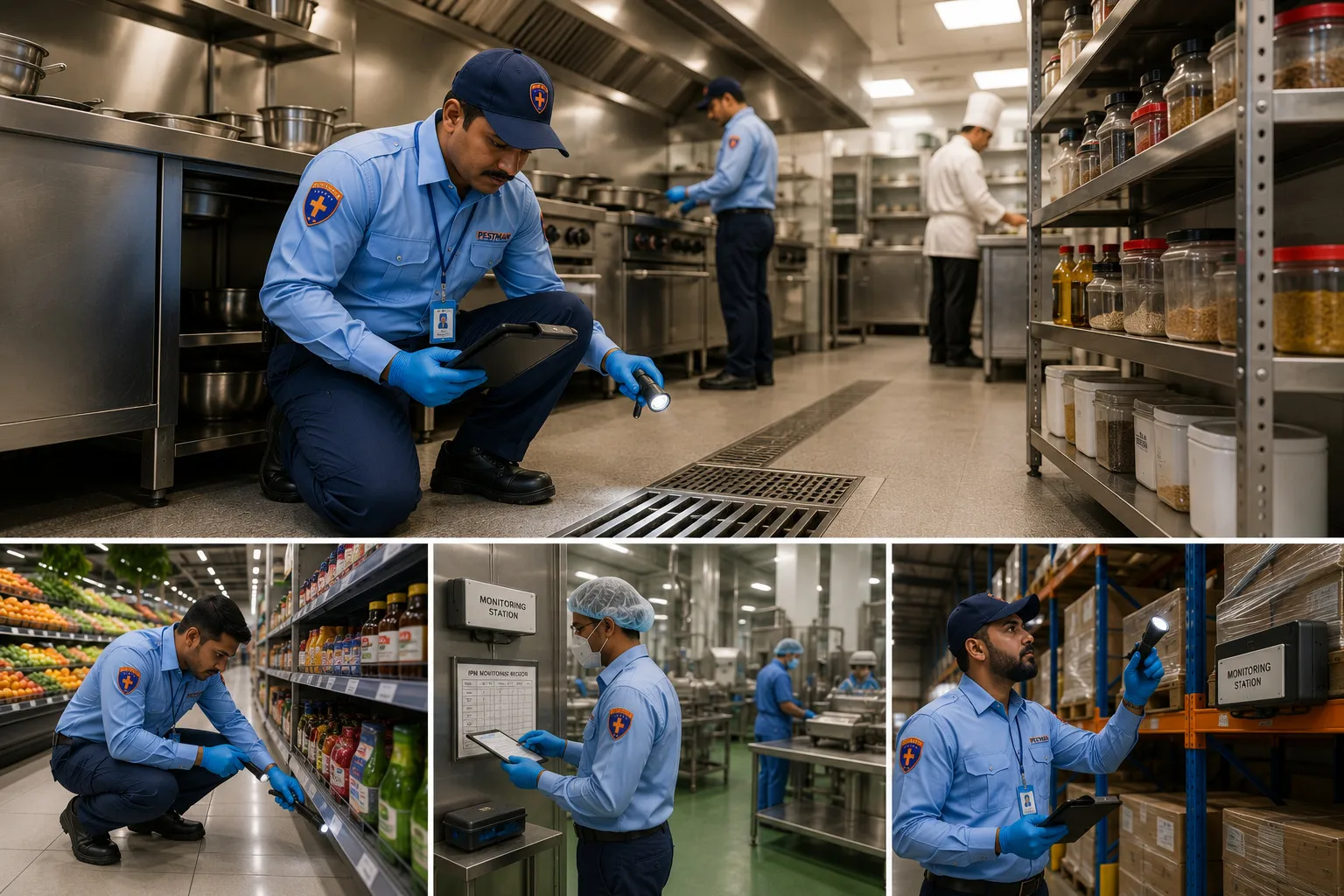
The foundation of any program is a thorough inspection. A trained pest management professional evaluates the facility's layout, sanitation practices, structural conditions, and existing pest activity. They identify risk zones, entry points, and harbourage areas that require attention.
Step 2: Exclusion & Proofing
Preventing pests from entering is the most cost-effective control measure. This includes sealing cracks and gaps around pipes and conduits, installing door sweeps and air curtains on loading docks, repairing damaged roof vents and wall penetrations, and fitting screens on windows and ventilation openings.
Step 3: Sanitation & Housekeeping
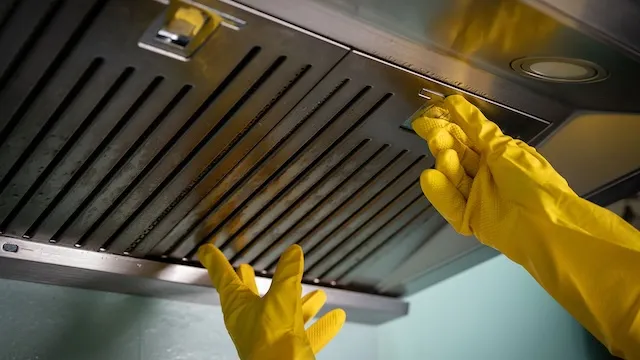
Pests cannot thrive without food, water, and shelter. Good sanitation practices include maintaining a strict cleaning schedule for production areas, break rooms, and waste storage zones, eliminating standing water and fixing leaks promptly, storing raw materials and finished goods off the floor and away from walls, rotating stock using the FIFO (First In, First Out) method, and managing waste with sealed, regularly emptied bins.
Step 4: Monitoring & Detection
Continuous monitoring is essential for early detection. An industrial monitoring program typically includes rodent bait stations and glue boards placed along perimeter walls and in high-risk zones, insect light traps (ILTs) positioned near entry points and food handling areas, pheromone traps for stored product insects, and digital monitoring systems that provide real-time alerts and reporting.
Step 5: Targeted Treatments
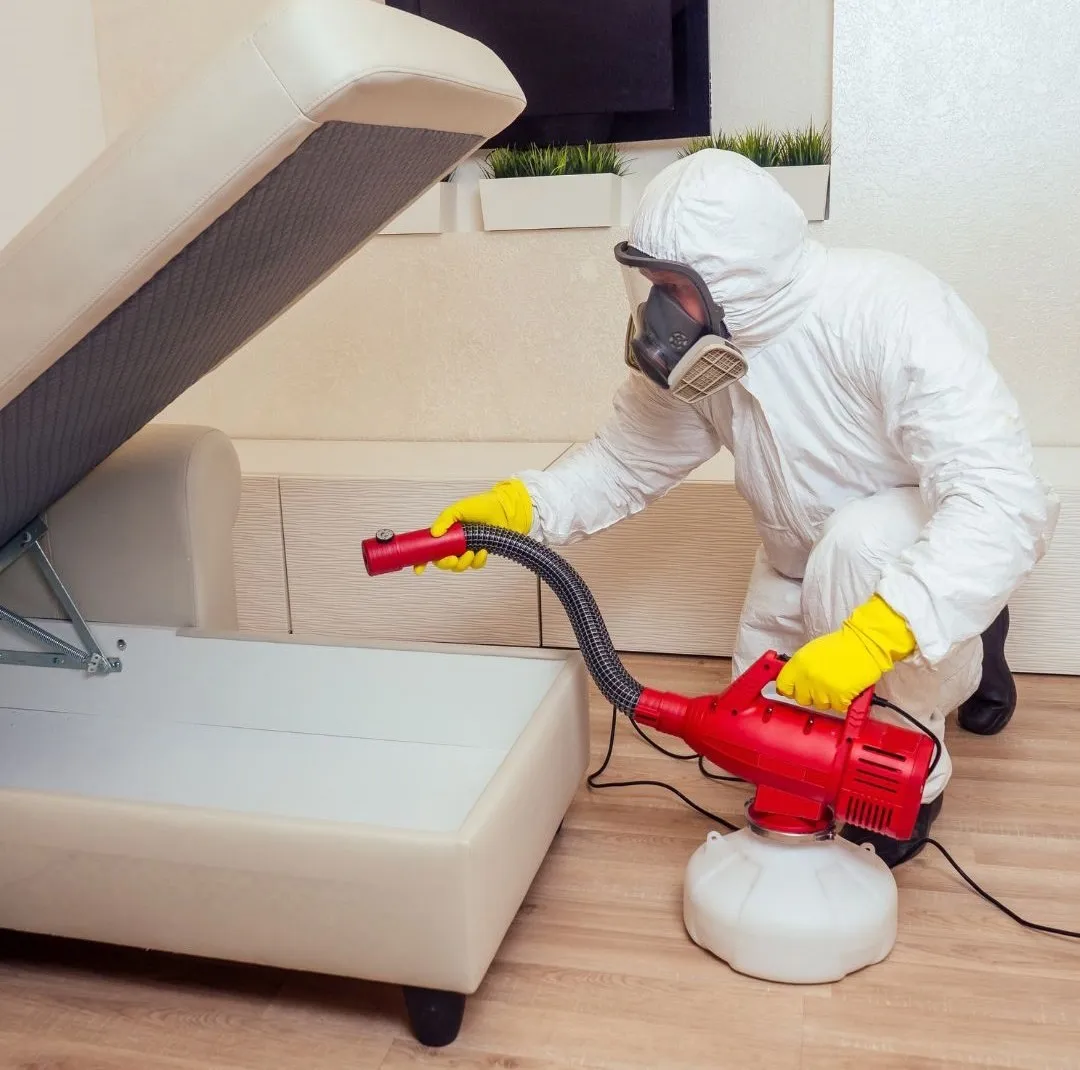
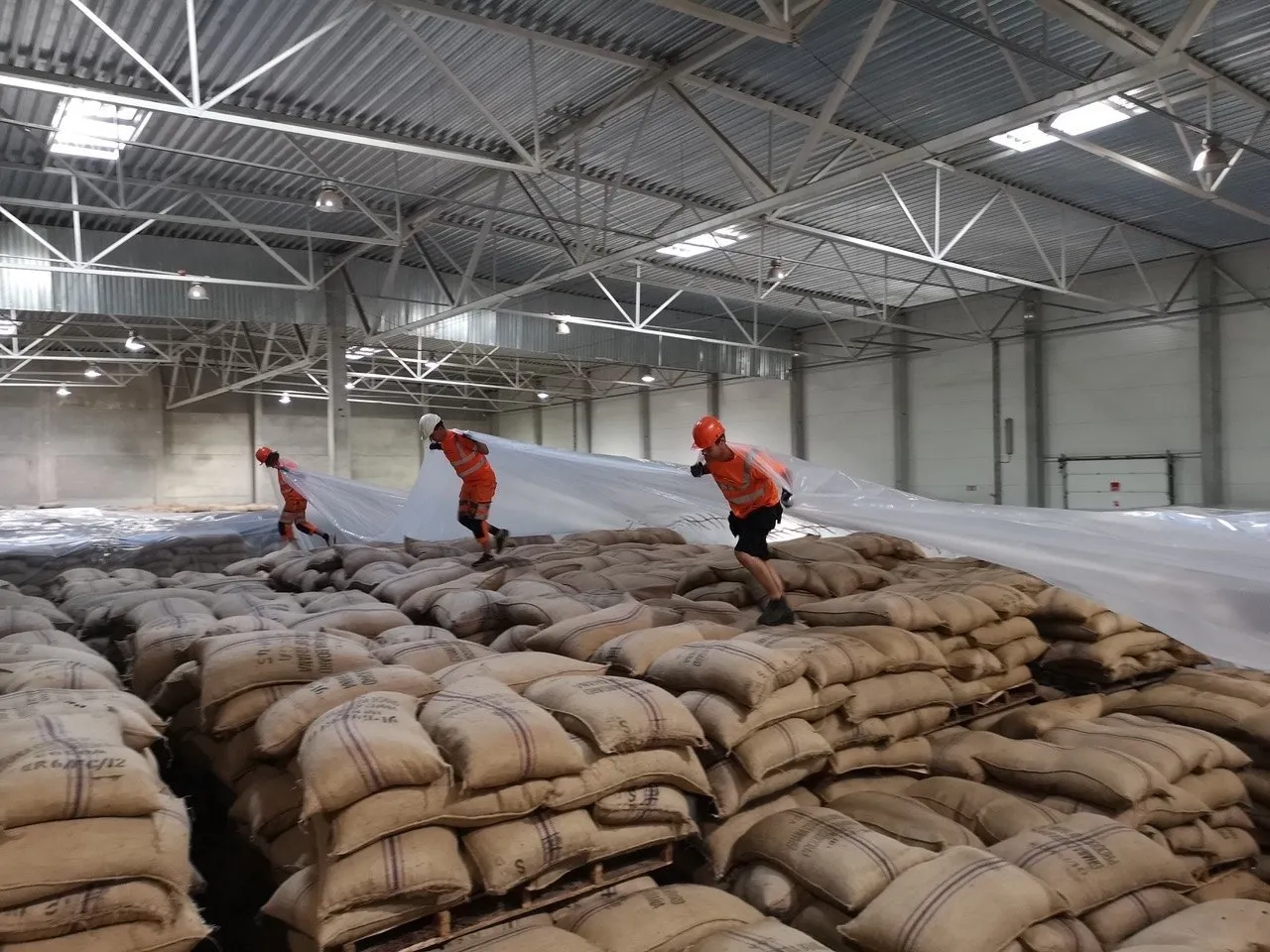
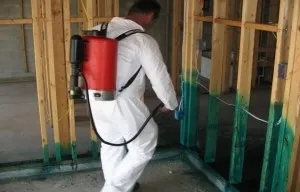
When pest activity is detected, targeted treatments are applied based on the species and severity. These may include insecticide baiting and gel applications in cracks and crevices, rodenticide baiting in tamper-resistant stations, fumigation for large-scale stored product infestations, and heat treatment for contained areas with persistent insect problems.
Step 6: Documentation & Compliance Reporting
Industrial facilities, particularly those in food production, pharmaceuticals, and logistics, must maintain detailed pest management records. A professional pest control provider delivers service reports after each visit detailing findings, actions taken, and recommendations, trend analysis tracking pest activity over time to identify patterns, corrective action suggestions for structural or sanitation issues identified, and compliance documentation required for audits by HACCP, BRC, ISO 22000, or other food safety standards.
Industry-Specific Compliance Standards
Different industries must meet specific pest management standards. Pest control programs should be aligned with the applicable certification framework:
- HACCP (Hazard Analysis Critical Control Point): Requires documented pest control as a prerequisite program for food safety management.
- BRC Global Standards: Mandates a documented pest management system with monitoring, trending, and corrective action protocols.
- ISO 22000: Integrates pest management into the overall food safety management system with verifiable records.
- GMP (Good Manufacturing Practice): Requires facilities to maintain premises in a condition that prevents pest harbourage and infestation.
- ISO 9001: Pest management documentation supports the quality management system through controlled processes and record-keeping.
Why Choose PESTMAN for Industrial Pest Management?
PESTMAN brings decades of experience serving industrial clients across Ras Al Khaimah. Our team understands the operational constraints of working facilities and develops pest management plans that integrate seamlessly into your operations without causing downtime. We provide certified technicians trained in industrial hygiene and HACCP principles, flexible scheduling including after-hours and weekend services to minimise disruption, digital reporting and audit-ready documentation, and rapid response for emergency infestations.
From food production facilities to logistics warehouses across Ras Al Khaimah, PESTMAN's industrial pest management programs keep your facility compliant, your products protected, and your reputation intact.
Contact our industrial team today for a comprehensive facility assessment and a custom pest management proposal tailored to your operations.
اعرف المزيد عن Fumigation Services
هل تواجه مشكلة آفات؟
فريق خبراء PESTMAN جاهز للمساعدة بحلول مثبتة ومعتمدة دولياً.
قد يعجبك أيضاً
مقالات مختارة لك