Ras Al Khaimah's villa communities are expanding rapidly. Al Nakheel, Al Hamra Village, Mina Al Arab, and new developments in Al Marjan Island are transforming the emirate's residential landscape. But for every new villa built, there is a critical window for termite protection that, if missed, can never be fully recovered.
That window is the pre-construction phase — before the concrete slab is poured.
Why Pre-Construction Treatment Matters for RAK Villas
RAK's soil conditions are favourable for subterranean termites. The sandy, well-drained soil common in Al Hamra, Al Nakheel, and coastal areas allows termites to tunnel freely and build large colonies. Once a villa is constructed without a soil barrier, termites have unrestricted access to the structure through expansion joints, utility penetrations, and the slab edge.
The consequences of skipping pre-construction treatment in RAK include:
- Structural damage within 5-8 years of construction.
- Post-construction remedial costs 5-10 times higher than pre-construction treatment.
- Drilling through finished floors, walls, and landscaping to apply treatments.
- Potential voiding of structural warranties if termite damage occurs.
- Reduced property resale value — termite history must be disclosed to buyers.
RAK Building Code Requirements
While RAK Municipality does not have a specific standalone termite treatment regulation in its building code, pre-construction termite treatment is strongly recommended by the RAK Department of Civil Defence and is increasingly required by RAK developers and master community operators. Developers of villa communities including Al Nakheel, Al Hamra, and Mina Al Arab typically mandate pre-construction termite treatment in their villa construction guidelines.
Additionally, UAE Federal Law requires property developers to ensure structures are built with adequate protection against known environmental hazards — and termites are a known hazard in RAK's soil conditions. Failure to provide termite protection could expose developers to liability claims from homeowners.
The Treatment Window
Pre-construction termite treatment must be applied at a specific point in the build sequence:
- Site Preparation: The building footprint is excavated and graded.
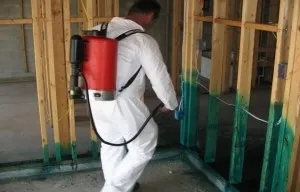
- Soil Treatment Application: Liquid termiticide is applied to the soil beneath the slab footprint, along foundation trenches, and around utility penetrations. This is the critical step.
- Drying Period: The termiticide needs time to bond with the soil — typically 24-48 hours depending on product and conditions.
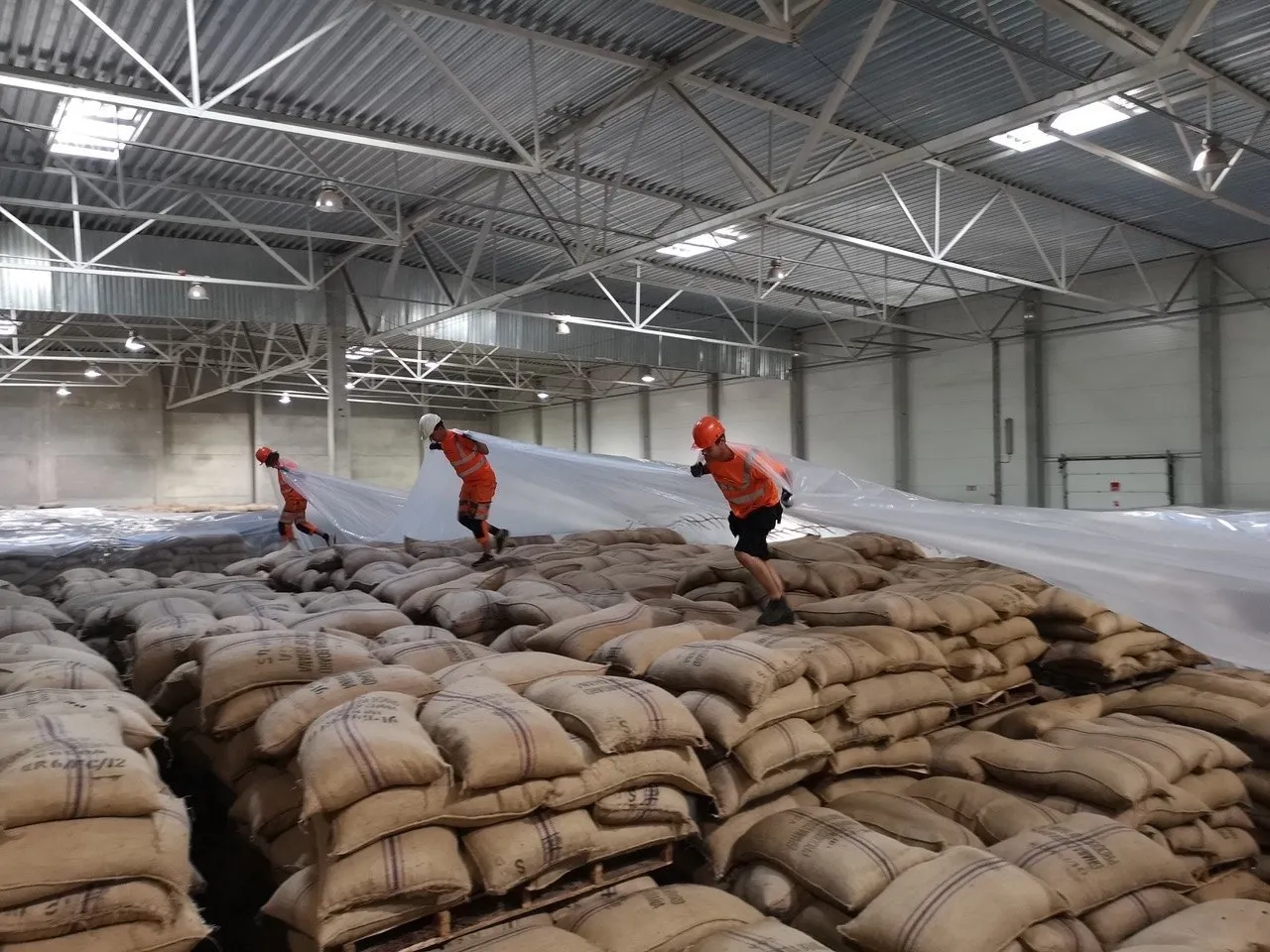
- Moisture Barrier: A polyethylene vapour barrier is laid over the treated soil.
- Concrete Pour: The slab is poured over the treated soil and barrier.
Once the concrete is poured, the soil beneath is inaccessible. There is no second chance to apply a complete soil barrier.
Choosing a Treatment Provider in RAK
When selecting a pest control provider for pre-construction treatment, verify they hold a valid RAK Municipality licence for pest control operations, are approved by MOCCAE for termiticide application, have experience with villa development projects in RAK, use MOCCAE-registered termiticides with proven long-term residual efficacy (8-12 years), and provide a warranty on the treatment that covers re-treatment if termites breach the barrier.
PESTMAN has provided pre-construction termite treatment for villa developments across Al Nakheel, Al Hamra Village, and Mina Al Arab. Contact our construction team to coordinate treatment timing with your build schedule.
هل تواجه مشكلة آفات؟
فريق خبراء PESTMAN جاهز للمساعدة بحلول مثبتة ومعتمدة دولياً.
قد يعجبك أيضاً
مقالات مختارة لك